
Mechanical ventilation is a life-saving medical treatment. It helps people breathe when they cannot do so on their own. Often, doctors use mechanical ventilation in hospitals for patients with severe breathing problems. Because it is important to understand this process, this guide explains what mechanical ventilation is, when it is needed, and what you should expect. Knowing these facts can help families feel more prepared and less anxious.
What Is Mechanical Ventilation?
Mechanical ventilation is a way to support or replace natural breathing. In many cases, it uses a machine called a ventilator. This machine moves air in and out of the lungs. Sometimes, people call it “life support.” For example, doctors use it when someone cannot breathe well enough on their own. Mechanical ventilation can be used for a short time or longer, depending on the patient’s needs.
When Is Mechanical Ventilation Needed?
There are several reasons why someone might need mechanical ventilation. Usually, doctors decide to use it when a person’s lungs are not working well. Some common situations include:
In each case, the goal is to give the body time to heal while making sure enough oxygen reaches the organs.
How Does Mechanical Ventilation Work?
Mechanical ventilation uses a ventilator to help with breathing. Here is how the process usually works:
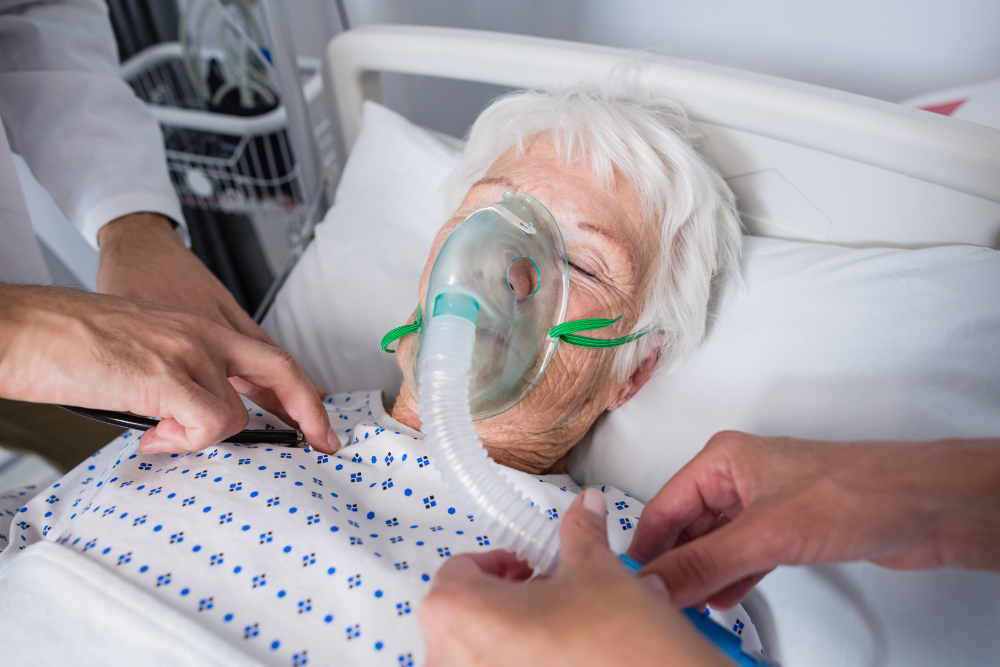
Sometimes, a mask is used instead of a tube. This is called non-invasive ventilation. However, not everyone is a candidate for this method.
Risks and Benefits of Mechanical Ventilation
Mechanical ventilation can save lives. However, like any medical treatment, it has both risks and benefits. Understanding these can help families make informed decisions.
Doctors weigh these risks and benefits before starting mechanical ventilation. They also monitor patients closely to reduce problems.
What to Expect: Patient and Family Guidance
It can be stressful when a loved one needs mechanical ventilation. Still, knowing what to expect can help. Here are some things families should know:
Above all, ask questions and stay in touch with the care team. They are there to help you understand each step.
Prevention and Recovery Tips
While not all cases can be prevented, some steps may lower the risk of needing mechanical ventilation. After ventilation, certain actions can also help with recovery.
Even though recovery can take time, support from family and friends makes a big difference.
In summary, mechanical ventilation is a vital tool in modern medicine. It helps many people survive serious illnesses and injuries. If you have questions or concerns, consult a healthcare professional at Sahaara Hospitals for personalized advice on mechanical ventilation.