Introduction
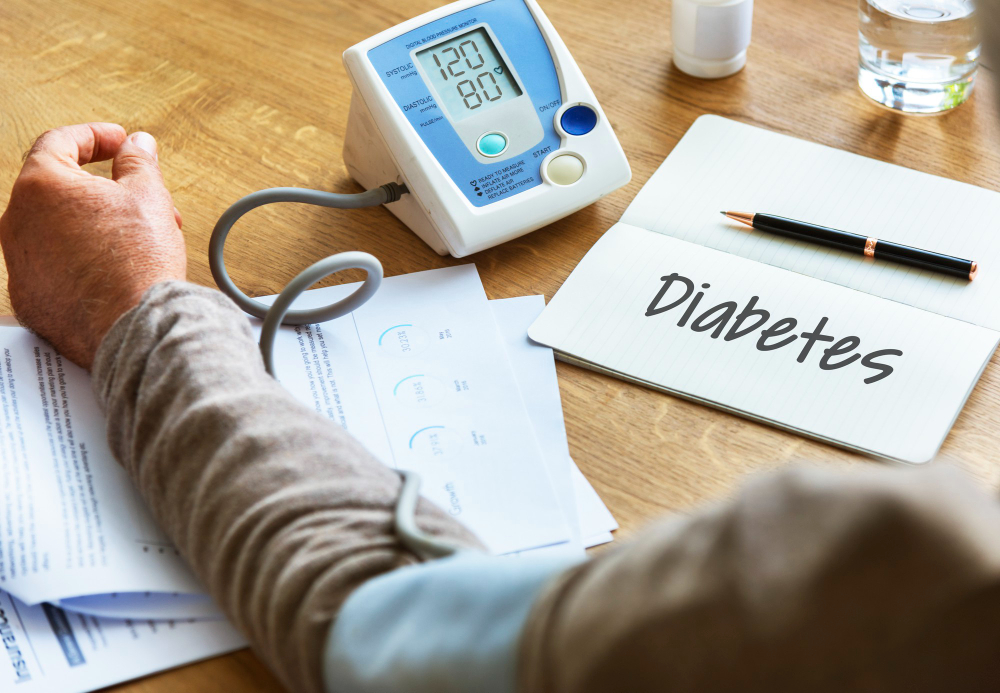
Managing both high blood pressure and diabetes can feel overwhelming. However, diet measures for hypertension and diabetes patients can make a big difference. With the right food choices, you can help control blood pressure and blood sugar. In this blog, you will find simple, practical tips for a healthier life.
Understanding Hypertension and Diabetes
First, let’s define these conditions. Hypertension means your blood pressure is higher than normal. Diabetes is when your body cannot control blood sugar well. Both conditions can harm your heart, kidneys, and eyes over time. But, with healthy habits, you can lower your risk of problems.
Why Diet Matters in HTN and Diabetes
Diet plays a key role in managing both high blood pressure and diabetes. For example, eating the right foods can help keep your blood pressure and blood sugar in a safe range. According to the World Health Organization and the CDC, a healthy diet can prevent complications and improve your quality of life.
Key Dietary Principles
There are some basic rules to follow for the best diet for hypertension and diabetes:
These steps are based on the DASH diet and other expert guidelines.
Foods to Include
Adding the right foods to your meals can help lower blood pressure and blood sugar. Here are some healthy options:
Whenever possible, choose local and seasonal produce for better taste and nutrition.
Foods to Avoid
Some foods can raise your blood pressure or blood sugar. Therefore, it is best to limit or avoid:
Instead, try to cook at home and read food labels for hidden salt and sugar.
Sample Meal Ideas
Planning meals can be easy with a few ideas. Here are some simple options:
Remember, you can adjust these ideas to fit your local foods and tastes.
Lifestyle Tips for Better Results
Besides diet, other habits can help manage high blood pressure and diabetes. For example:
These steps support your diet and help prevent complications.
Conclusion & Call-to-Action
In summary, diet measures for hypertension and diabetes patients are simple but powerful. By choosing healthy foods, avoiding harmful ones, and following good habits, you can protect your health.
At Sahaara Hospitals, our nutrition specialists design personalised diet plans to help you control blood pressure and blood sugar naturally. We focus on balanced nutrition, portion control, and heart-friendly meal planning that fits your lifestyle. For the best results and long-term health, consult Sahaara Hospitals for expert dietary guidance tailored to your specific needs.