Introduction: Why Diet Matters for Hypertension and Diabetes
Hypertension (HTN), also called high blood pressure, and diabetes are common health problems. Both can harm your heart, kidneys, and eyes. Diet measures for HTN and diabetes patients are very important. With the right food choices, you can help control your blood pressure and blood sugar. In fact, healthy eating can lower your risk of serious problems. According to the World Health Organization (WHO), a balanced diet is key for managing these conditions.
Symptoms and Risks of Hypertension and Diabetes
Many people with high blood pressure or diabetes do not notice symptoms at first. However, over time, both can cause health issues. For example, you may feel tired, thirsty, or need to urinate often. Sometimes, you may get headaches or blurred vision. If left untreated, these conditions can lead to:
Therefore, it is important to manage both with healthy habits, especially diet.
Dietary Guidelines for HTN and Diabetes Patients
Recommended Foods and Nutrients
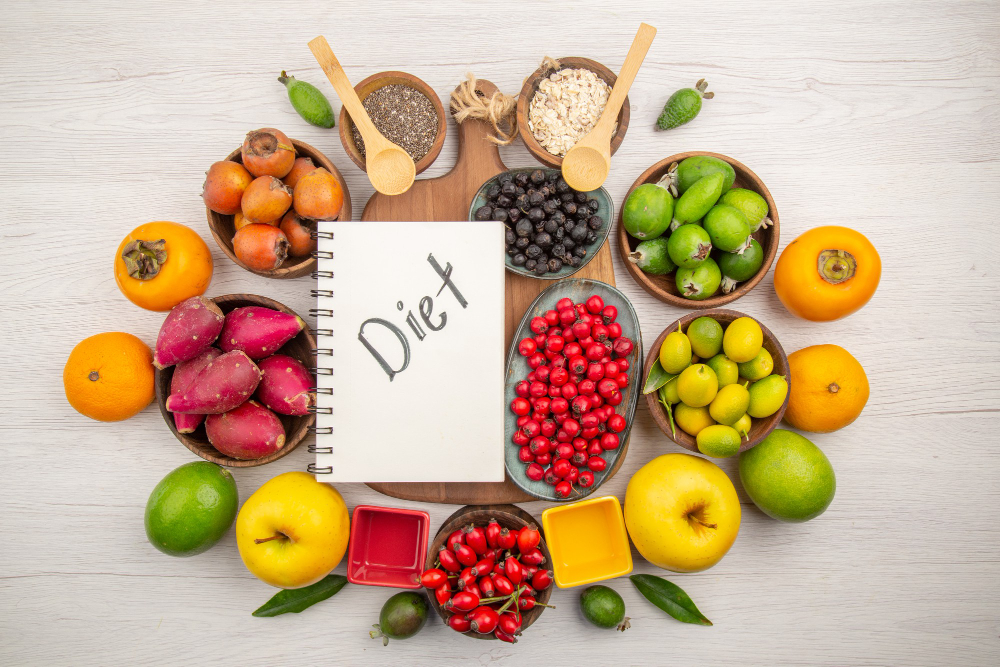
Choosing the right foods can make a big difference. For better health, try to include:
In addition, foods rich in fiber help control blood sugar and cholesterol. For example, apples, carrots, and beans are good choices.
Foods to Avoid
Some foods can raise your blood pressure or blood sugar. Try to limit or avoid:
Instead, choose fresh, home-cooked meals whenever possible.
Portion Control and Meal Timing
Eating the right amount is just as important as choosing healthy foods. Here are some tips:
Moreover, eating slowly helps you notice when you are full.
Hydration and Healthy Beverage Choices
Staying hydrated is important for everyone. For people with HTN and diabetes, it is best to:
If you live in a hot area, you may need more fluids. Always listen to your body.
Sample Meal Plan and Food Swaps
Planning your meals can help you stay on track. Here is a simple daily meal plan:
For food swaps, try these ideas:
Local foods like millets, fresh greens, and pulses are also healthy options.
Lifestyle Tips: Beyond Diet
While diet is vital, other habits matter too. For better results, try to:
In addition, support from family and friends can help you stay motivated.
Prevention and Long-Term Management
Healthy habits can prevent problems and help you feel better every day. To keep your blood pressure and sugar in check:
Remember, small changes add up over time. With steady effort, you can lower your risk of heart disease, stroke, and other issues.
Conclusion: Take Charge of Your Health
In summary, diet measures for HTN and diabetes patients are simple yet powerful in improving overall health. At Sahaara Hospitals, balanced nutrition, regular physical activity, and stress management are emphasised as part of comprehensive care. With personalised dietary planning and ongoing guidance at Sahaara Hospitals, many patients achieve better control and a healthier lifestyle.
For the best results, consult a healthcare professional or dietitian at Sahaara Hospitals for personalised dietary advice.