What is Acute Respiratory Distress Syndrome (ARDS)?
Acute Respiratory Distress Syndrome (ARDS) is a serious lung condition. It happens when fluid builds up in the air sacs of the lungs. Because of this, oxygen cannot reach the blood as it should. ARDS can lead to severe breathing problems and even respiratory failure. Since ARDS can affect anyone, it is important for the general public to know its signs and risks. Early understanding helps people seek care quickly and may improve outcomes.
Common Symptoms of ARDS
Recognizing ARDS early can save lives. Although symptoms may start suddenly, they can also develop over a few days. Below are common signs to watch for:
However, symptoms can vary from person to person. If you notice these signs, seek medical help right away.
Main Causes and Risk Factors
ARDS often develops after another health problem. For example, it can follow a severe infection or injury. Here are some main causes and risk factors:
Additionally, people with chronic health problems or those over 65 are at higher risk. But ARDS can affect people of any age.
How ARDS is Diagnosed
Doctors use several steps to diagnose ARDS. First, they check your symptoms and medical history. Next, they may order tests to confirm the problem. Common tests include:
Sometimes, doctors may do other tests to rule out heart problems. Quick diagnosis is key for better treatment.
Treatment Options for ARDS
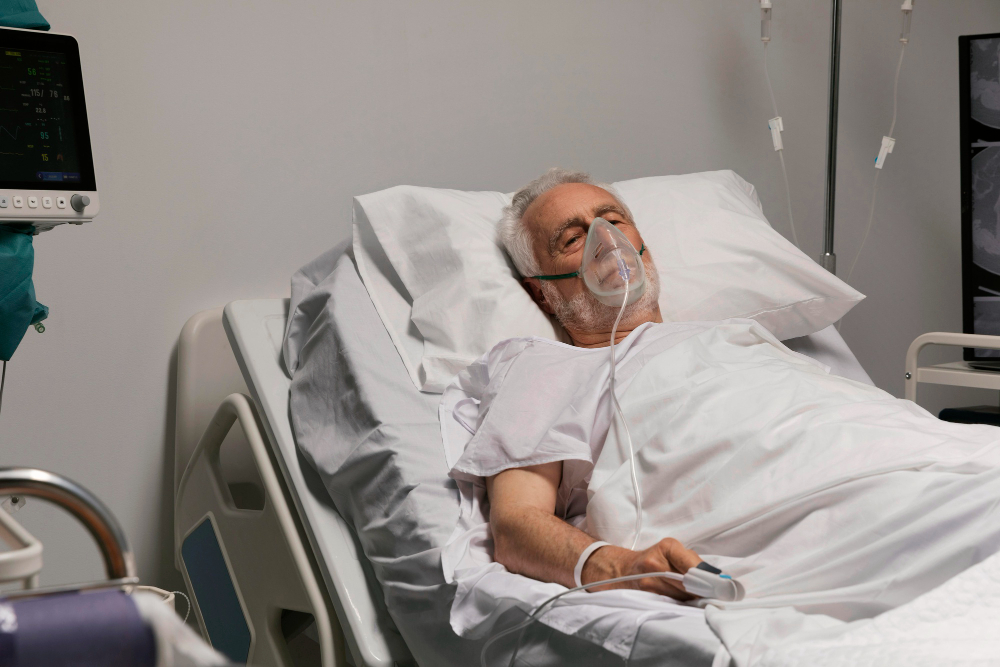
ARDS is a medical emergency. Most people need care in a hospital, often in the intensive care unit (ICU). Treatment focuses on helping you breathe and treating the cause. Main options include:
With proper care, many people recover. However, some may need long-term support or rehabilitation.
Prevention and Lifestyle Guidance
While not all cases of ARDS can be prevented, you can lower your risk. Here are some helpful tips:
Furthermore, healthy habits can protect your lungs and overall health.
When to Seek Medical Help
It is important to act fast if you notice signs of ARDS. Seek emergency care if you or someone you know has:
Early treatment can save lives. Never wait if you are unsure about your symptoms.
Consult a healthcare specialist at Sahaara Hospitals for personalized advice on ARDS or if you experience symptoms.